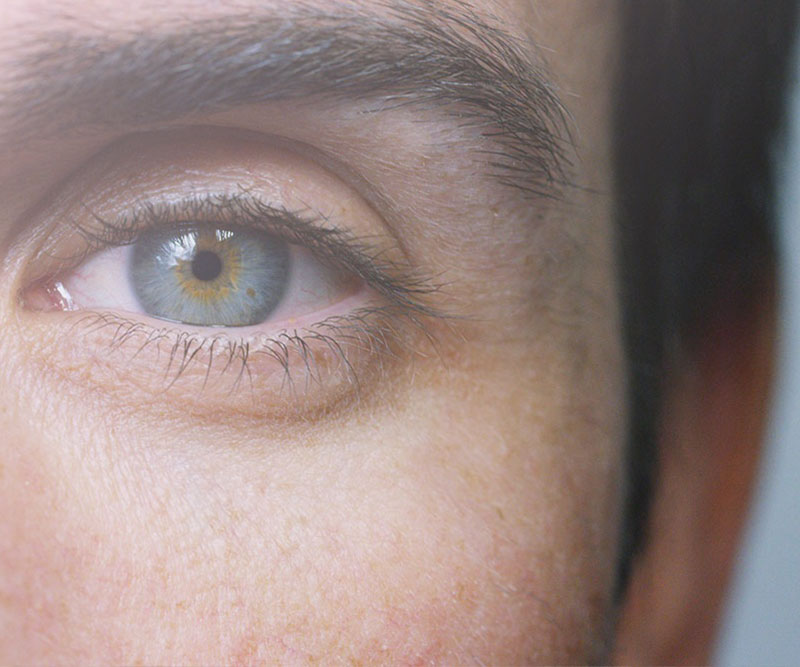
Brainspotting can be a rapid, effective type of therapy. In contrast to ongoing talk therapy, you can expect Brainspotting to be more short term. Some clients find their issue resolved after just one or two Brainspotting sessions. Others find Brainspotting to be more adjunctive, and use regular talk therapy to further process and enhance progress made in a Brainspotting session.
Brainspotting was initially developed as a useful treatment for trauma. But, this type of therapy can be helpful in any situation where thinking can get in the way of performance, such as creativity or sports performance. It’s great for the overthinkers, and those with high anxiety, because it bypasses the “thinking” cortex of your brain.
Brainspotting allows for nonverbal processing, since you can talk as much or as little as you want. Just focusing your thoughts on the issue at hand, and noticing your bodily sensations as you are doing it, is a great alternative to traditional talk therapy. It is especially helpful if you’ve gotten “stuck” on an issue or feel like something is holding you back from moving forward or being more successful.
Brainspotting is also great for those who work in a field where they can’t talk about their job due to security or confidentiality concerns.
If you are experiencing the symptoms of the following diagnosis, brainspotting may be for you.
- Anxiety
- Attentional Issues
- Depression
- Peak Performance
- Post Traumatic Stress Disorder (PTSD)
- Many other mental health symptoms